What Is a Country Estate (and Why It's Worth Staying at One)
Anyone who starts planning a trip to the Alentejo soon comes across the word “herdade”—on almost every lodging listing, on almost every wine and olive oil label. But what, exactly, is a “herdade”?
Land Before It Became a Home
An “herdade” is, by definition, a large agricultural estate—usually covering hundreds of hectares—dedicated to wheat cultivation, livestock raising, vineyards, or olive groves. Unlike a “quinta” or a “monte,” which may be smaller, a “herdade” is defined by its scale: it is working land, managed over generations, where the main house—often called a “monte”—has always been just one part of a larger whole.
Staying at a farm is not, therefore, the same as staying at a hotel set in the countryside. It means being part of a system that continues to function: there are vineyards to prune, olives to harvest depending on the season, and animals to tend. Hospitality arises as a natural extension of this agricultural life, not as a product conceived separately from it.
What's changing in the experience
This heritage has practical implications for visitors. The rhythms are dictated by the land, not by the tourist calendar—grape harvest nights, for example, have a different vibe than winter nights. The cuisine tends to feature what the estate itself produces, from olive oil to wine, often served just a few meters from where it was made. And the space is almost always generous: it takes several minutes by car to travel from one estate to the next.
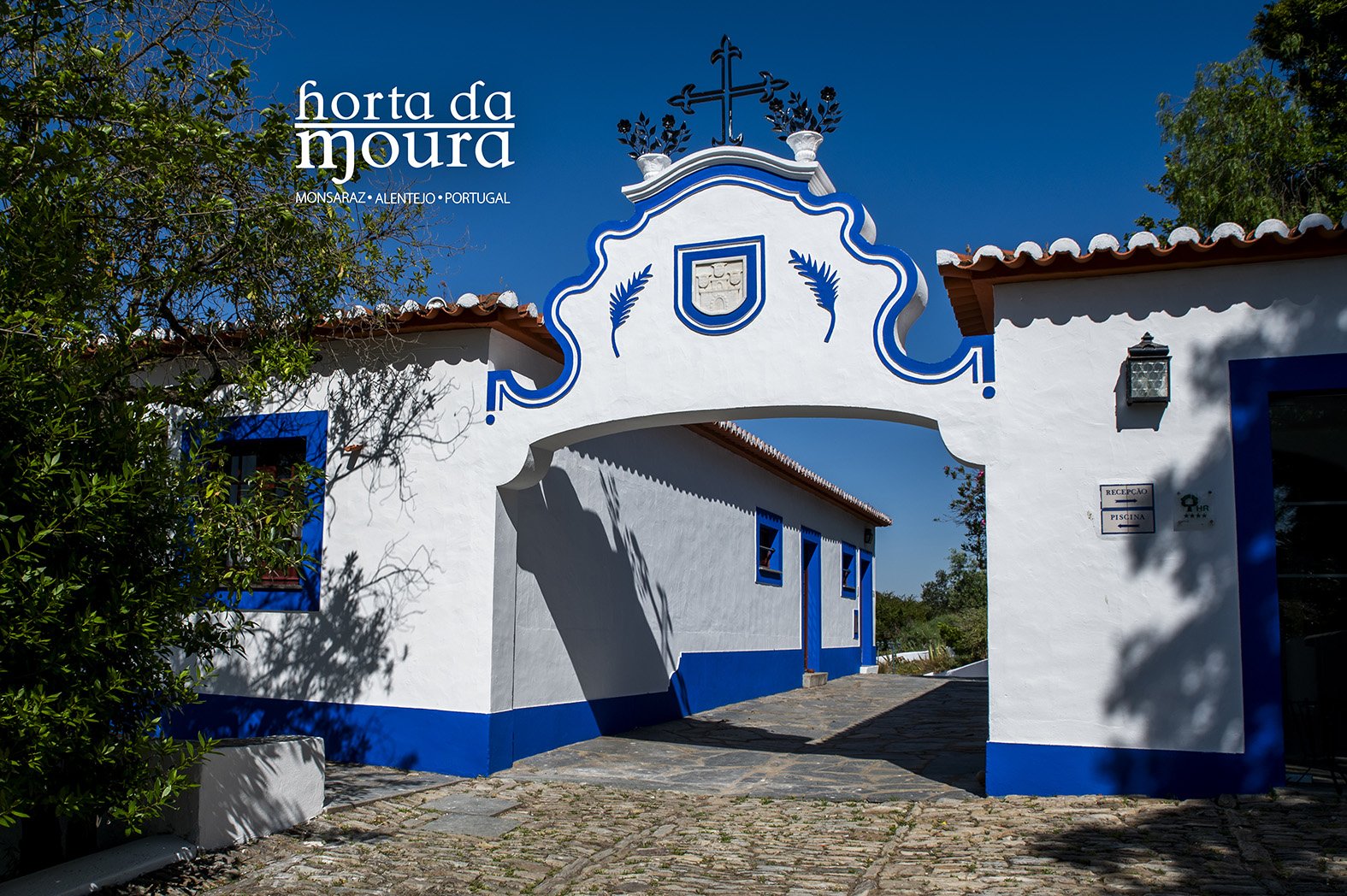
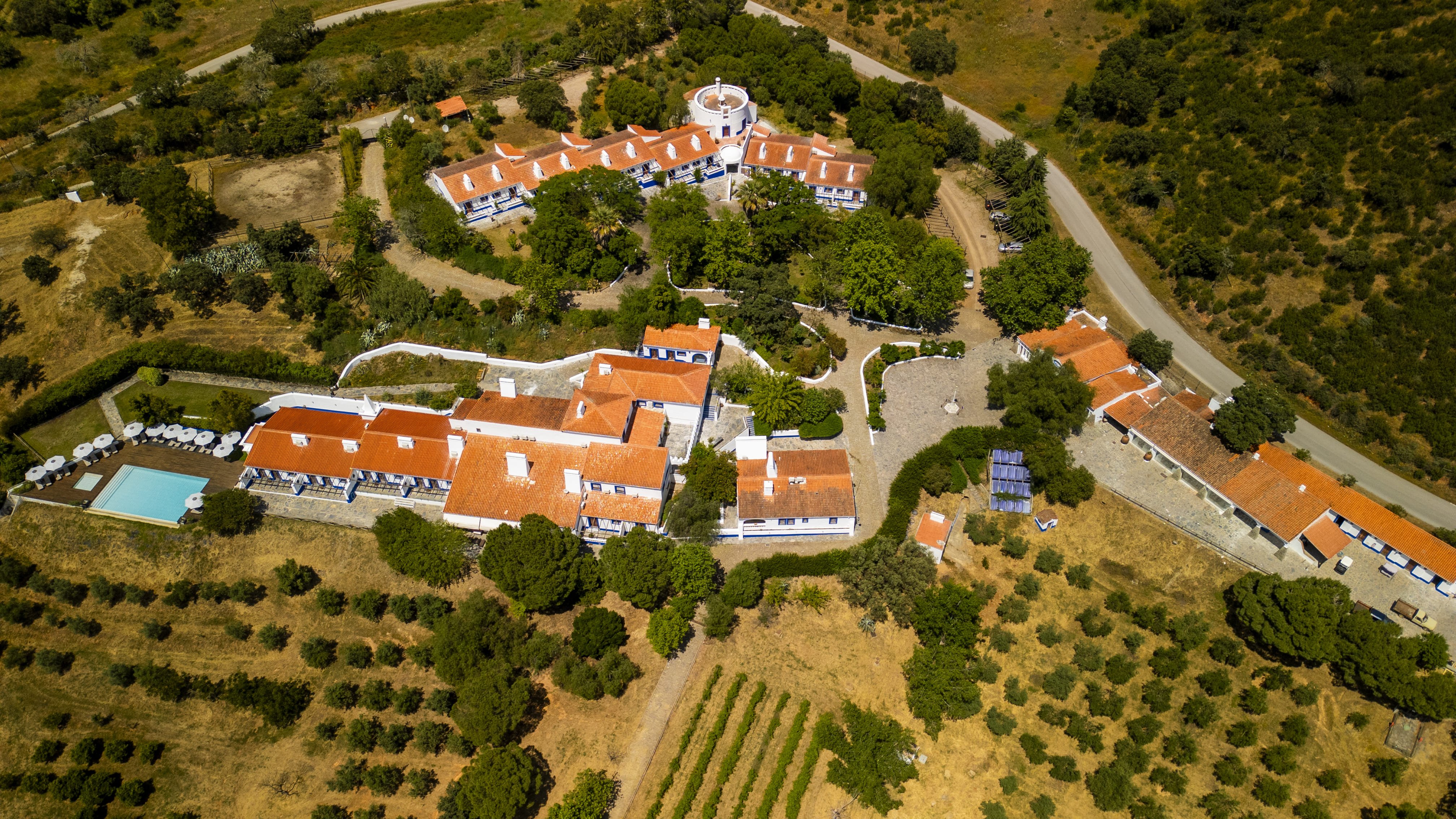
At Horta da Moura, this tradition lives on. The estate stretches along the Alqueva, Europe’s largest artificial lake, and continues to produce its own olive oil—which reaches the tables of those staying there with little distance between its source and the plate.
A country estate is not synonymous with isolation
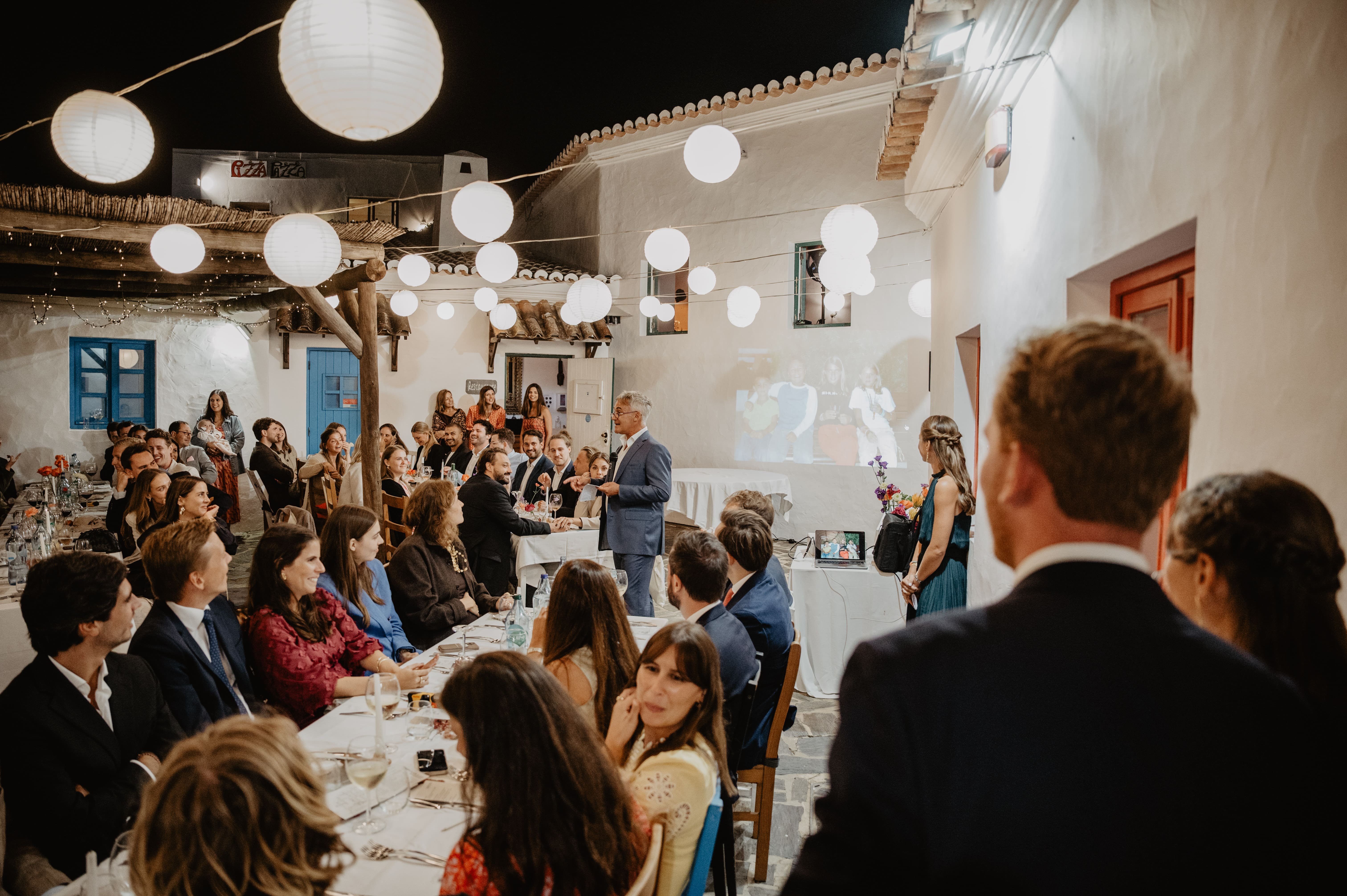
Some people associate a country estate with being far away from everything. In reality, it’s more a matter of scale than of isolation: the landscape is vast, but social life continues—at shared dinners, in conversations by the pool, and on walks where you run into neighbors who have also decided to get away for a few days.
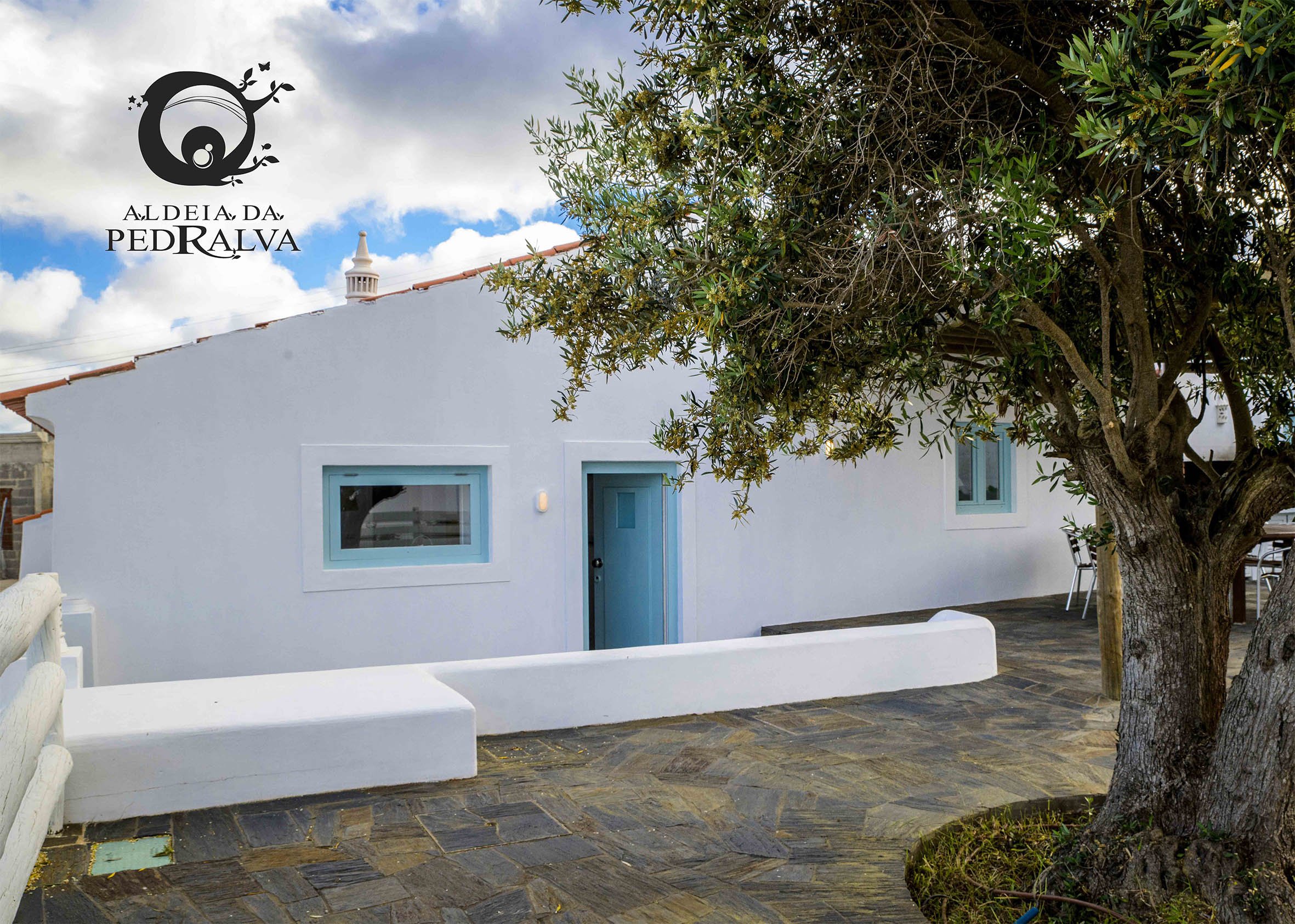
If you’re trying to understand the difference between a country estate and a tourist village, it’s worth comparing the experience to that of Aldeia da Pedralva—a distinct concept, built not around a farm but around an entire village that has been restored house by house.