There are places that seem to exist outside of time. Monsaraz is one of them. Perched on a hill in the heart of the Alentejo, this walled village has overlooked the Alqueva landscape for centuries, preserving memories of different peoples, traditions, and historical events.
For first-time visitors, it feels like stepping into a story that’s still unfolding. Amid narrow streets, whitewashed houses, and medieval walls, every corner invites you to discover a little more about this historic village’s past.
This guide is designed for those who want to go beyond taking the perfect photo and learn about the history, heritage, and legends associated with Monsaraz. After all, understanding a place also means learning about the stories that have been passed down through generations and how they continue to shape its identity.
The Origins of Monsaraz: Between History and Myth
Human presence in the Monsaraz region dates back to prehistoric times, as evidenced by the numerous megalithic monuments in the surrounding area. Menhirs, dolmens, and cromlechs bear witness to the communities that inhabited this territory thousands of years ago.
One of the best-known examples is the Cromeleque do Xerez, a megalithic site that you can visit next to the Convent of Orada, near Monsaraz. Originally located elsewhere, the monument was relocated in 1998 due to the construction of the Alqueva Dam.
Centuries later, Monsaraz was occupied by various peoples, including the Romans, Visigoths, and Muslims. In 1167, the town was conquered from the Muslims by Geraldo Sem Pavor. It fell back under Almohad rule in 1173 and was definitively reconquered in 1232, during the reign of King Sancho II.
The succession of these occupations helps explain the region’s historical and cultural richness. Although the exact origin of the name Monsaraz is a matter of debate, it is best to distinguish between historical hypotheses and the legendary explanations that are sometimes associated with it.
Monsaraz Castle: A Testament to Medieval History
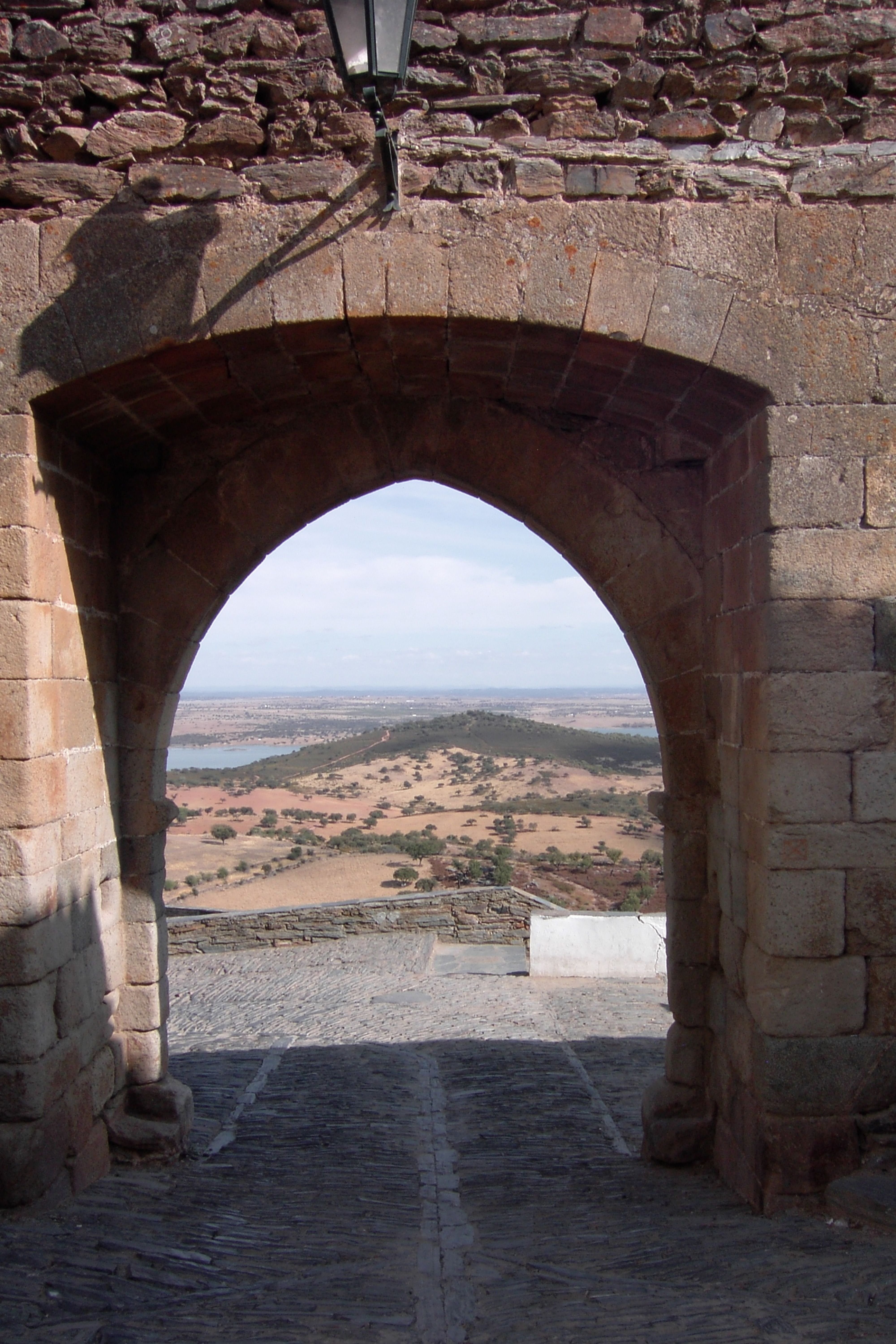
Monsaraz Castle is one of the town’s most iconic landmarks. As part of the walled complex, it serves as a reminder of the strategic importance of this location over the centuries, thanks to its elevated position and proximity to the border.
As you walk along the ramparts, you can take in the Alentejo landscape and the vast Alqueva reservoir. The castle grounds, which include the old parade ground, are also used for cultural events and traditional activities.
In addition to its military significance, the castle helps us understand the evolution of Monsaraz, from the Christian Reconquista to the changes that have shaped the region over the centuries.
Although popular imagination often associates medieval castles with ghosts, curses, and secret passages, it is important to distinguish these stories from documented history. In Monsaraz, the very atmosphere of the ramparts—especially at dusk—offers plenty to spark the imagination.
Rua Direita, Pelourinho, and Memories of the Village
Walking down Rua Direita is one of the best ways to explore Monsaraz. This historic street connects various points of interest in the village and is lined with traditional houses, whitewashed facades, and architectural details that preserve the Alentejo’s identity.
Along the way, you'll come across historic buildings, small shops, and hidden corners that invite you to slow down and take in the details.
The pillory, located next to the Nossa Senhora da Lagoa Parish Church, serves as a reminder of the administrative and judicial importance Monsaraz held in the past. These monuments were symbols of municipal autonomy and the administration of justice, playing a significant role in the public life of these communities.
The history of these places also inspires stories about justice, power, and human conflicts. Even when there is no evidence of specific legendary events, it is possible to understand how the monuments and collective memories fuel the imagination of those who visit the village.
Alqueva and the Memory of a Transformed Landscape
The landscape surrounding Monsaraz today has been profoundly transformed by the construction of the Alqueva Dam. The creation of the reservoir has altered the landscape, the communities’ relationship with the Guadiana River, and the way the region is experienced and visited.
One of the most significant events was the relocation of the former village of Aldeia da Luz, which was rebuilt at a new site to make way for the reservoir. This process represented a profound transformation for the community and for the preservation of its collective memory.
Today, the Alqueva is one of the most striking features of the Monsaraz landscape. The expanse of water, the play of light, and the open horizon create a particularly striking scene at sunrise and sunset.
On clear nights, the region also offers ideal conditions for stargazing. This natural aspect adds a new perspective to the visit and helps visitors understand the connection between the Alentejo landscape, its history, and its identity.
The Fresco Museum and the Allegory of the Good and Bad Judges
For those who want to learn more about the history of Monsaraz, the Fresco Museum is a particularly interesting place to visit.
Housed in the former Courthouse, the space preserves the fresco known as “The Good and the Bad Judge,” a late 15th-century mural that symbolically depicts justice, corruption, and human integrity.
The artwork was hidden for centuries behind a brick wall and was rediscovered in 1958 during construction work on the building. Its composition distinguishes the figure of the good judge—associated with integrity—from the representation of the bad judge, characterized by corruption.
More than just an artistic testament, the fresco offers an opportunity to understand the social and moral concerns of bygone eras. It is also one of the most unique examples of Monsaraz’s historical heritage.
Before your visit, please check the museum's hours and admission requirements, as they may vary.
Alentejo Cuisine: Flavors That Tell Stories
Exploring Monsaraz also involves its cuisine. Alentejo cuisine reflects the communities’ historic connection to the land and local products, highlighting simple ingredients and traditional recipes.
During your stay, you can try dishes such as dogfish soup, lamb stew, migas with short ribs, or coriander açordas, the preparation of which varies depending on tradition and the restaurant.
Alentejo wines are another important part of the culinary experience. The region is home to producers and wineries that offer visitors the chance to learn more about local viticulture through tours and tastings, subject to reservation and availability.
Take some time to leisurely explore the region’s flavors. A traditional meal can be an excellent way to round out your visit to the historical sites and gain a deeper understanding of Alentejo culture.
How to Experience Monsaraz at Your Own Pace and in Peace
To explore Monsaraz at the leisurely pace it deserves, your choice of lodging can make all the difference.
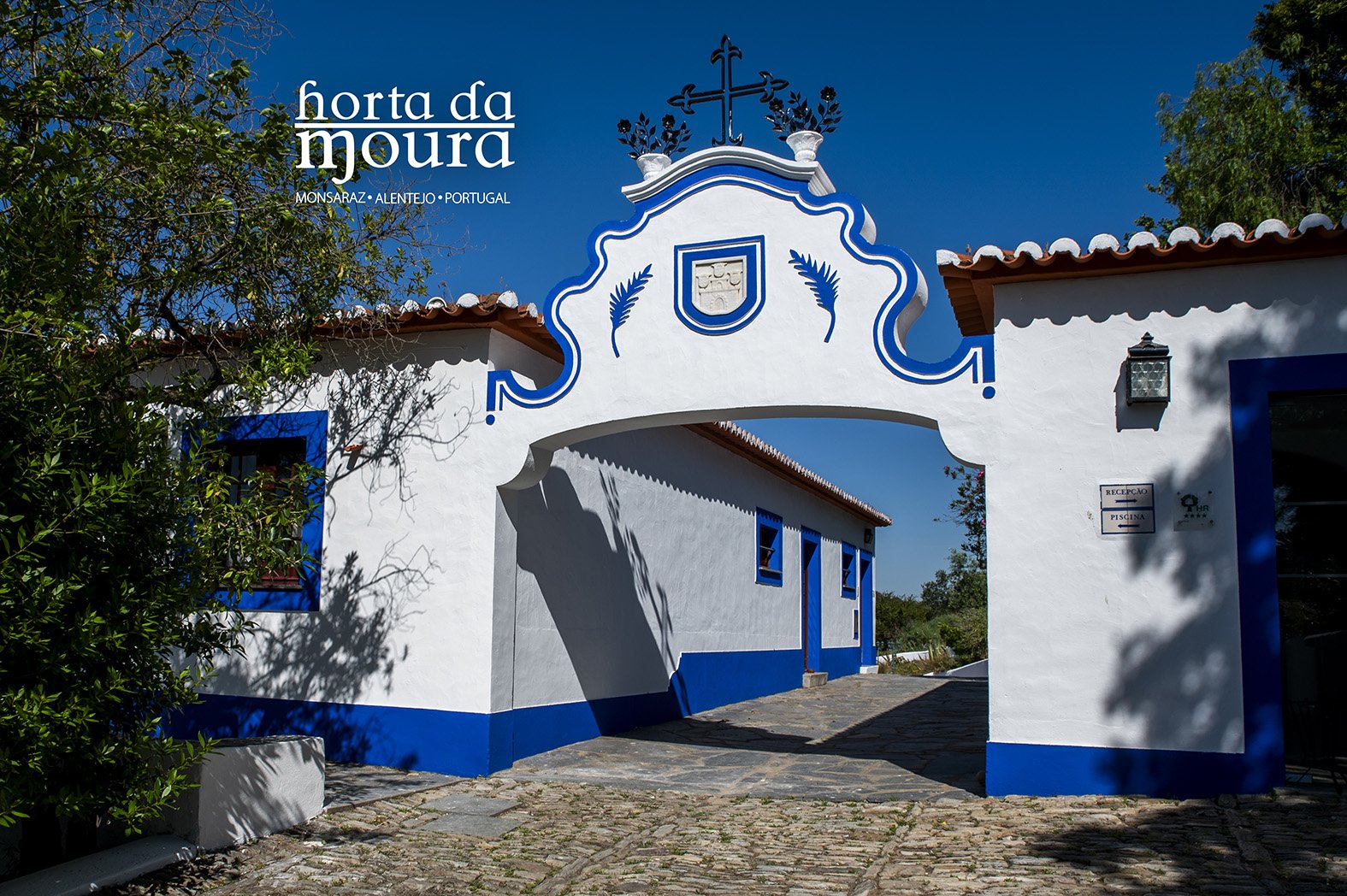
Horta da Moura by WOT Signature, located near Monsaraz, is a great option for those looking to explore the region’s heritage and enjoy the Alentejo landscape. Its location makes it easy to organize visits to the historic village, the Alqueva Dam, and the surrounding megalithic monuments.
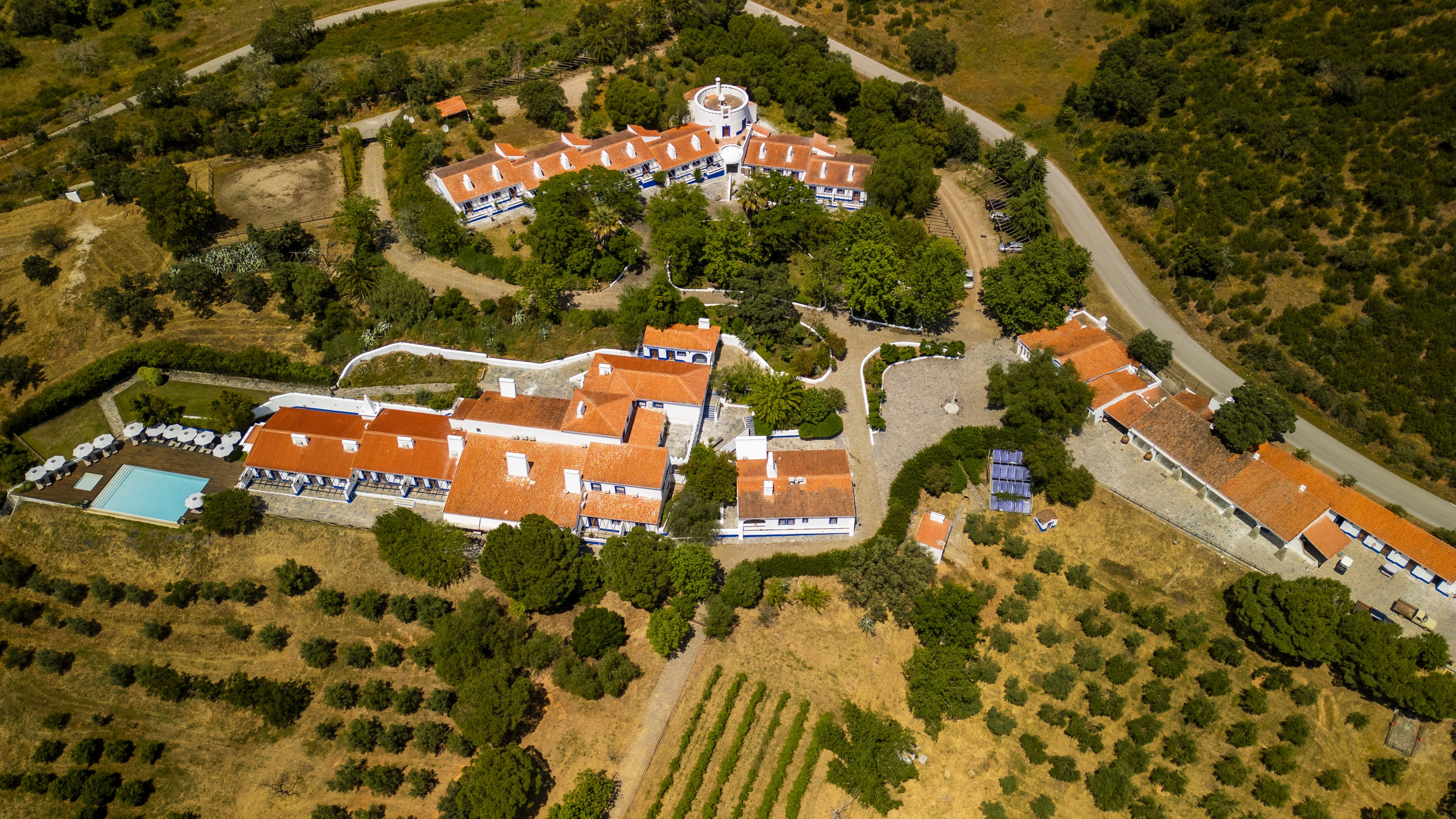
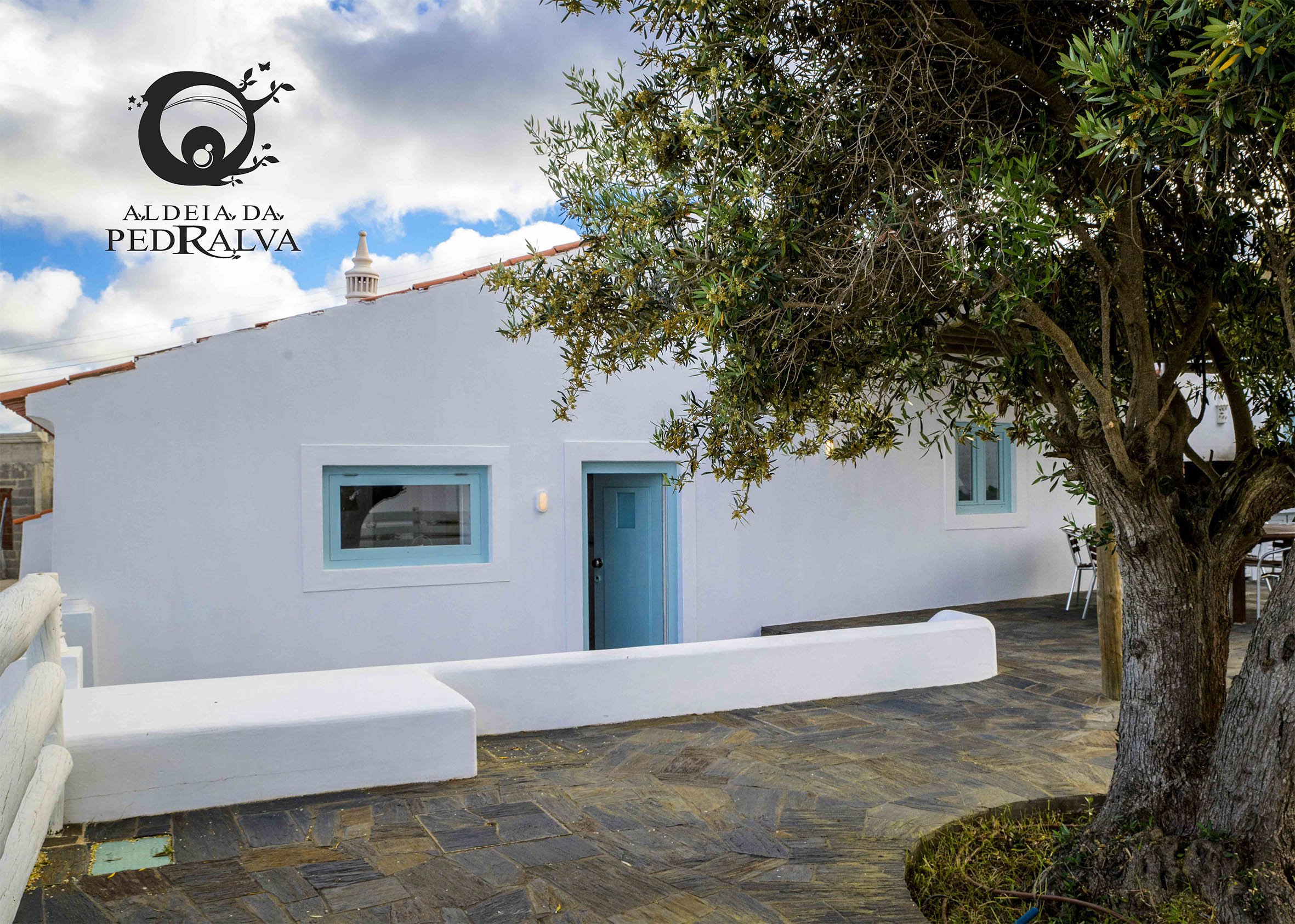
If you’d like to extend your trip and combine the Alentejo countryside with the Algarve coast, Aldeia da Pedralva by WOT Signature, in Vila do Bispo, offers a unique experience: a restored rural village where you can explore the local heritage and the Algarve landscape.
Both properties allow you to incorporate your stay into a trip dedicated to exploring different regions of Portugal. To learn more about the accommodation options, visit wotsignature.com.
Practical Tips for Visiting Monsaraz in 2026
Visit in the late afternoon. The light on the walls and the Alqueva landscape make this time of day particularly good for taking photos and exploring the village.
Be sure to include the Cromeleque do Xerez in your itinerary. Located next to the Convent of Orada, this megalithic monument offers a glimpse into a much older chapter of the region’s history.
Take a walk around the castle grounds. Set aside some time to explore the ramparts and take in the surrounding scenery.
Visit the Fresco Museum. The painting of the Good and the Bad Judge is an important reference for understanding Monsaraz’s artistic and judicial heritage. Be sure to check the opening hours in advance.
Explore the local cuisine. Look for restaurants that highlight traditional Alentejo ingredients and recipes.
Set aside some time to gaze at the sky. If the weather is favorable, stargazing can be a great way to round out your visit to the Alqueva region.
Consider visiting during the week. If you're looking for a quieter atmosphere, weekdays and off-peak periods may be good options, although visitor numbers vary throughout the year.
Monsaraz: A Place to Discover with All Your Senses
Leaving Monsaraz doesn’t mean the journey of discovery is over. The memory of the city walls, the narrow streets, the historical heritage, and the Alqueva landscape stays with anyone who visits this Alentejo village.
Their documented histories reveal centuries of human occupation, political changes, and cultural transformations. Legends and popular folklore add another dimension to the experience, provided they are understood as part of the interpretation of the place and not confused with proven historical facts.
Taking the time to visit Monsaraz allows you to appreciate the details, gain a better understanding of the region’s identity, and grasp the connection between the communities and the land.
To extend this experience, Horta da Moura by WOT Signature offers lodging options in the vicinity of the village, ideal for combining your exploration of the Alentejo with a peaceful stay.
Because some places don't reveal themselves in a single visit: they are discovered little by little, through their history, their landscape, and the experiences they offer.